Professional Fence Installation Services for Both Residential & Commercial Properties
Custom fence installation solutions play an essential role in improving both residential and commercial spaces. They provide security, privacy, and visual appeal while defining property boundaries. With various materials available, homeowners and business owners can find options that meet their requirements. Professional installation guarantees compliance with local codes. However, the benefits extend beyond mere installation—knowing how to select the appropriate design and material can significantly influence the property's worth. What factors should one consider when making these choices?
Why Custom Fencing Is Vital for Your Property
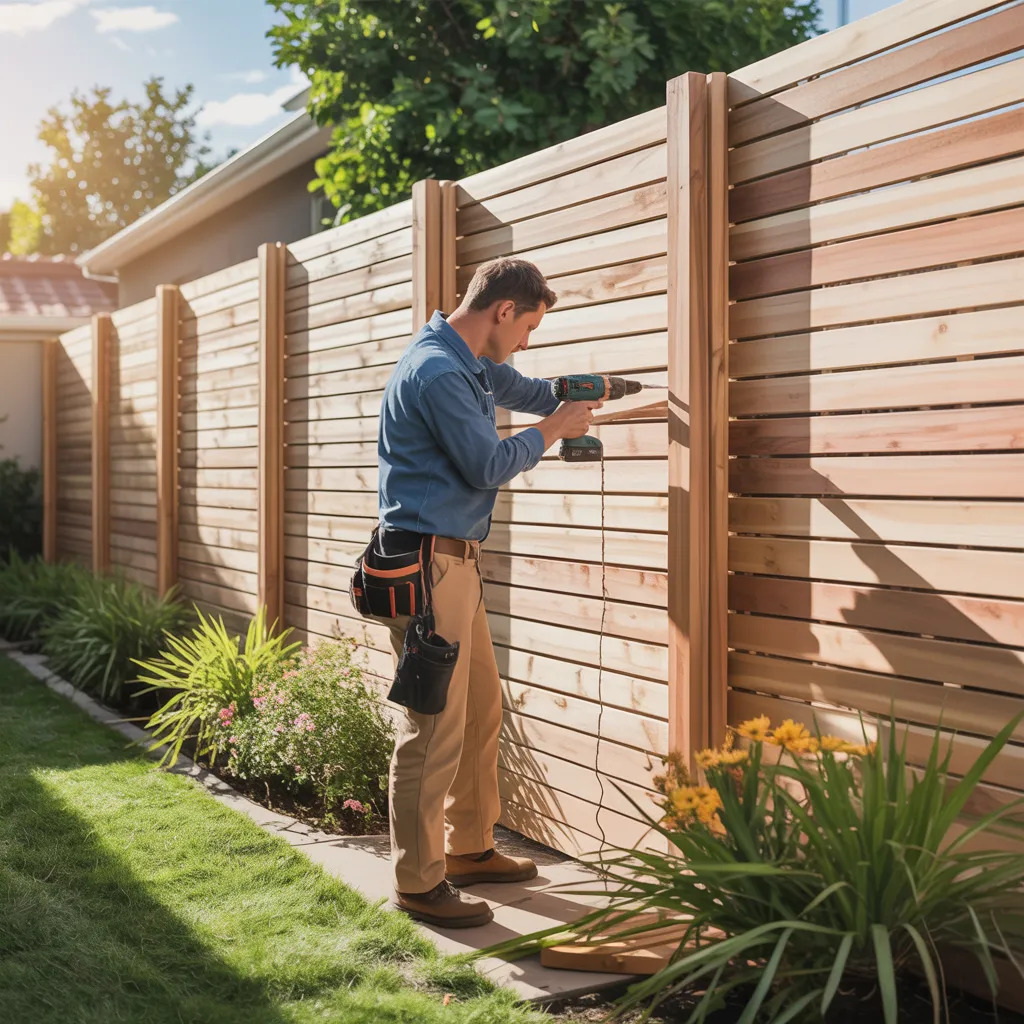
When evaluating property enhancements, most homeowners discover that custom fences are more than just a visual decision but a critical investment. Custom fences provide various benefits that go beyond aesthetics. They strengthen protection by forming a tangible barrier that deters intruders and keeps children and pets safe. Furthermore, these fences provide seclusion, permitting homeowners to relish their outdoor spaces away from unwanted attention.
Furthermore, personalized fencing solutions can delineate the boundaries of a property, preventing disputes with neighbors and ensuring compliance with local regulations. They further add to the overall value of the property, boosting its appeal for interested buyers.
From a functional standpoint, custom fences can be constructed to fulfill individual requirements, such as gates for easy access or elements that improve the overall landscape. In the end, committing to a custom fence represents a wise investment that fulfills several functions, improving both the property's functional value and the property's visual charm.
Comparing Popular Fencing Materials: Wood, Vinyl, and Metal
When exploring fence materials, metal, wood, and vinyl each offer unique benefits and drawbacks. Price comparisons highlight considerable variation in initial expenses and long-term maintenance expenses. Understanding these factors can enable property owners reach well-informed choices suited to their specific needs.
Pros And Cons
A range of fencing materials, like wood, vinyl, and metal, each offer notable strengths and weaknesses that tend to shape a homeowner's selection. Wood is commonly preferred for its timeless beauty and adaptability but demands consistent upkeep to avoid deterioration and pest damage. Vinyl, by comparison, is low-maintenance and resistant to fading and pests, positioning it as a sturdy enduring solution; however, it may not replicate the timeless character of wood. Metal fencing, such as aluminum or wrought iron, ensures solid security and extended lifespan but could involve greater expense and may require occasional maintenance to prevent rust. All materials display their own attributes, empowering homeowners to assess their unique demands and preferences when choosing the perfect fencing option.
Cost Comparisons
Although homeowners frequently consider visual appeal and usability in the process of selecting fence materials, pricing remains an essential consideration in the evaluation process. Wooden fencing generally offers a lower initial investment but requires ongoing maintenance, which can increase long-term expenses. In contrast, vinyl options, though more expensive initially, offer durability and minimal upkeep, making them an economical option in the long run. Metal fencing, including aluminum and steel, typically comes with a greater upfront investment but is renowned for its longevity and resistance to weather-related damage, consequently lowering anticipated maintenance costs. In the end, the overall investment—considering setup costs, maintenance needs, and longevity—ought to direct property owners in choosing the most appropriate fencing option for their residential or commercial properties.
Picking the Perfect Fence Design for Your Yard
Selecting the right fence option for a yard can significantly enhance both the visual appeal and practicality of a residence. Homeowners and property owners must evaluate a number of elements when determining a design, including the primary function of the fence, local regulations, and the architectural style of the property. Privacy fences, for example, are well-suited for creating private outdoor areas, while traditional picket fences often boost curb appeal and provide a inviting appearance.
Material selection plays a considerable role as well; wood delivers a timeless aesthetic, while vinyl or metal may deliver resilience and easy care. Additionally, colors and styles should complement the surrounding landscape and existing structures. In the end, the ideal fence design not only establishes boundaries but also enhances the overall personality of the property, making thoughtful selection essential for achieving desired outcomes.
The Benefits of Choosing Professional Fence Installation
Opting for professional fencing services ensures that the project is executed with professionalism and care. Professional fencing specialists carry the required expertise and knowledge to manage the intricacies of various fencing materials and designs. They understand local construction codes and property regulations, ensuring compliance and avoiding potential legal issues.
In addition, employing professionals commonly produces a more efficient installation process, as they have access to dedicated tools and expertise. This level of expertise not only cuts down on time but also minimizes disruption to the property owner's daily schedule. Moreover, experienced professionals can offer helpful guidance and suggestions customized for the unique requirements of the residence, enhancing overall satisfaction.
In addition,choosing expert services typically offers warranties, providing assurance regarding the lasting quality and durability of the fence. To conclude, opting for professional fencing services is a sound decision for both residential and commercial properties, ensuring a exceptional outcome.
How Can Custom Fencing Boost Your Security?
Custom fencing plays a crucial role in enhancing security for both residential and commercial properties. By establishing a physical barrier, it deters trespassers and unauthorized access. The height, materials, and design of custom fencing can be customized to address particular security requirements, making it challenging for intruders to scale or breach.
Additionally, many custom fences can be combined with advanced security components, such as gates equipped with motion sensors, locks, or surveillance cameras, offering an additional layer of defense. The presence of a professionally built fence can likewise serve as a powerful deterrent, causing properties to become far less attractive targets for illegal activities.
Moreover, bespoke fencing can be constructed to reduce visibility within the property, minimizing the intelligence that would-be intruders may collect. Ultimately, investing in custom fencing greatly enhances the security posture of any property, guaranteeing confidence and comfort for property owners and occupants.
Boosting Curb Appeal With Custom Fencing
A well-designed fence can markedly discover the information elevate the curb appeal of a property, immediately improving its exterior. Personalized fence options offer a broad selection of materials, styles, and finishes that can highlight the aesthetic details of a dwelling or enterprise. Whether you prefer a conventional picket enclosure, a sleek modern design, or a rustic wooden barrier, the right choice can transform the property's look.
In addition, tailored fences can be tailored to fit specific landscapes, ensuring a seamless integration with gardens and outdoor spaces. By adding embellishing accents, such as lattice panels or decorative post caps, homeowners can more thoroughly individualize their fencing, transforming it into a standout feature.
The visual impact of a custom fence does more than attract the eye as it also showcases the property owner's sense of style and commitment to quality, ultimately creating a warm and appealing atmosphere for neighbors and visitors alike.
How to Budget for Your Custom Fence Project
Budgeting for a custom fence project demands thoughtful evaluation of upfront costs and possible unforeseen charges. Setting a realistic budget is essential to avoid financial strain, as unexpected charges can arise during installation. Being aware of these considerations allows homeowners to make well-informed choices and accomplish their fencing objectives while staying within budget.
Developing a Realistic Budget
Establishing a practical budget is crucial for those planning a fencing project. Both homeowners and business owners should begin by evaluating their requirements and preferences, including the fence materials, overall design, and dimensions. Researching local costs for materials and labor helps establish a baseline budget. Furthermore, it is important to consider possible price fluctuations influenced by factors like location and installation complexity. Allocating a reserve fund for unforeseen costs can offer valuable financial security. By carefully examining each of these elements, homeowners can build a detailed budget that matches their vision without exceeding their financial limits, paving the way for a well-executed and rewarding fencing endeavor.
Concealed Costs to Be Aware Of
What hidden costs could surface during a custom fence installation project? Property owners should anticipate several possible unexpected expenses. First, site preparation may require additional grading or clearing, especially in uneven terrains. Permit fees may also come as a surprise, since local regulations frequently require permits for fence installation. Additionally, when the existing terrain features obstructions like roots or boulders, removal costs can increase significantly. Beyond that, property owners may encounter unforeseen labor expenses if the project experiences delays or setbacks. Following installation, upkeep costs, including staining or repairs, should be included in the total budget. By factoring in these unforeseen costs, property owners can establish a more realistic financial plan for their custom fencing project.
Care Tips for Long-Lasting Custom Fences
Even though custom fences can enhance the visual appeal and safety of a property, proper maintenance is vital to guarantee their longevity. Periodic inspections are essential; residents should examine for evidence of wear, including cracks or decay, most notably in timber fences. Regularly cleaning the fence aids in eliminating dirt and buildup that may lead to degradation. When it comes to wooden fences, using a sealant or weather-resistant stain every couple of years can guard against moisture damage and sun-related deterioration.
Metal fence installations, by contrast, must be inspected for deterioration and rust. Applying an anti-rust paint can significantly prolong their life. Moreover, confirming that plants do not grow onto the fence can avoid moisture accumulation and harm. As a final step, quick resolution of any defects can prevent more significant issues in the future. By following these maintenance tips, property managers can rest assured their tailored fences continue to be both operational and attractive for many years ahead.

Questions Our Clients Often Ask
How Long Does a Custom Fence Installation Generally Take to Complete?
The process of custom fence installation usually spans one to three days, depending on factors such as the property's size, the materials selected, and current weather conditions. Timelines may vary based on specific project requirements and complexities.
Is It Possible to Install a Custom Fence in the Winter Months?
Absolutely, putting in a tailored fence in wintertime is doable. Nevertheless, the installation process may face obstacles caused by frost-hardened soil and harsh weather, likely increasing the duration of the installation and necessitating dedicated equipment for successful completion.
What Permits Are Required for Custom Fence Installation?
As a rule, a municipal building permit is required for custom fence installation, as well as possible zoning permits. Property owners ought to contact their municipality for detailed guidelines, adhering to height, location, and design requirements before moving forward.
Are Warranty Options Offered for Custom Fences?
Many companies offer warranty coverage for custom fences, typically covering workmanship and materials. The length and conditions vary, so it's advisable for customers to ask about the particular warranty terms before proceeding with installation.
How Do I Choose a Fence Contractor for My Project?
To choose a fencing contractor, one should look into local providers, check reviews, validate credentials and coverage, obtain thorough price quotes, and assess previous work. Responsiveness and professional conduct during first discussions also reflect dependability and service quality.